
The Rabbit.org Foundation opposes the genetic engineering of rabbits and other animals for cosmetic, novelty, or entertainment purposes.
The Rabbit.org Foundation is deeply concerned about the Los Angeles Project’s announcement that it is using CRISPR gene-editing technology to create genetically modified “glowing” rabbits for commercial sale. This reckless experiment disregards the welfare of rabbits, ignores the ethical implications of genetic manipulation, and threatens to worsen the already dire issue of rabbit abandonment in shelters and rescues nationwide.
This is no longer hypothetical. It is happening now — and legislatures are beginning to respond.
California Legislation – AB 1382 (November 2025)
In 2025, California introduced legislation directly addressing the genetic engineering of animals for cosmetic purposes.
Assembly Bill 1382 would prohibit the sale and importation for profit of genetically modified pets created solely for cosmetic appeal, including animals engineered to glow, change color, or display novelty traits that provide no medical or welfare benefit.
The bill allows an exemption only for genetic modifications that serve a genuine health or human-animal interaction purpose, such as reducing allergens. It does not permit cosmetic experimentation marketed as entertainment, collectibles, or “designer pets.”
The bill is supported by animal protection organizations, including Rabbit.org Foundation, LA Rabbit Foundation, and Social Compassion in Legislation and addresses growing concerns about:
• Animal suffering caused by experimental gene editing with unknown long-term health effects
• Deformities, neurological problems, immune disorders, and chronic pain linked to cosmetic genetic alterations
• Use of animals as test subjects for novelty consumer products
• Increased risk of abandonment when fad pets become unmanageable
• Increased burden on shelters and rescues already in crisis
AB 1382 was introduced following public reporting on projects experimenting with glowing rabbits and other engineered novelty animals in California laboratories and private ventures. These efforts use technologies such as CRISPR and embryo modification not for medical research, but for consumer pets designed to look “cool.”
RDO strongly supports AB 1382 because:
- Genetic engineering for appearance alone treats animals as products rather than living beings. Rabbits and other pets should not become a new category of disposable test subjects for cosmetic experimentation or speculative consumer markets.
- Just because a technology exists does not mean it should be used — especially when its cost is borne by animals who cannot consent and shelters that must clean up the aftermath.
TAKE ACTION: Send a Support Letter
RDO encourages all rescues, veterinarians, advocates, and organizations to formally support AB 1382 by contacting the bill’s author, Leticia Castillo.
We’ve provided a ready-to-use support letter template below. You can either:
Option 1: Send the letter online
Visit socialcompassioninlegislation.org
Click “How to Help” → “Send Letter as an Organization.”
Select AB 1382 and submit your organization’s information.
Option 2: Download and send a letter directly
Use the MS Word letter template here and submit it by email or mail:
If you prefer, you may also customize the letter with your own experience in rescue work and rabbit welfare.
AB 1382 is a meaningful opportunity for California to draw a clear ethical line:
Animals are not art projects.
Animals are not tech demos.
Animals are not widgets.
They are lives.
WHY THIS MATTERS
Rabbits Are Not a Trend—They Are Sentient, Social Creatures
“Rabbits are one of the most commonly surrendered pet in U.S. shelters, largely due to misinformation and impulse buying,” says Paige K. Parsons, President of The Rabbit.org Foundation. “Creating ‘designer’ rabbits will only encourage the mistaken belief that rabbits are novelty pets rather than intelligent, social beings who require lifelong commitment, proper care, and specialized veterinary attention. A glowing rabbit may seem like a futuristic marvel, but the reality is that rabbits already suffer tremendously from consumer-driven breeding practices. Adding genetic modification to the equation only amplifies the risks of exploitation and neglect.”
Genetic Engineering is Not a Game
CRISPR gene-editing is a powerful but unpredictable technology. While the Los Angeles Project claims this is a “simple” edit, genetic modifications can have unintended consequences, including severe health issues, immune disorders, or even reduced lifespans. The scientific community has already raised ethical concerns about the use of CRISPR for non-medical, commercial purposes, yet this project is proceeding without transparency, oversight, or regard for the long-term welfare of these animals.
The Disturbing Reality of Mass Embryo Harvesting
According to Josie Zayner, the company has developed hormone and antibody treatments to force rabbits into producing large numbers of viable embryos. Even more disturbingly, it has partnered with farmers to harvest embryos from rabbits heading for slaughter. “We can get like 10,000 embryos a week,” Zayner boasts.
“This blatant commodification of rabbits reduces them to mere biological raw materials,” says Parsons. “It’s horrifying to hear them discuss this so casually. These are living beings, not factory components. The use of slaughterhouse-bound rabbits for genetic experimentation raises serious ethical concerns about how little regard this project has for the dignity and welfare of animals.”
Regulatory Loopholes Leave Animals Vulnerable
The United States has little oversight when it comes to genetically modified pets. The FDA previously determined that transgenic GloFish were not subject to regulation because they posed no threat to human health or the environment. However, this decision ignored the ethical considerations of engineering animals for human amusement. Rabbits are living, feeling creatures—not a blank canvas for experimentation. The potential for commercial genetic modification of pets to spiral out of control is a serious concern that lawmakers and bioethicists must address.
A Dangerous Precedent for the Future
The Los Angeles Project’s plans do not stop at fluorescent rabbits. They openly discuss creating “hypoallergenic cats,” “jackalopes,” and even “unicorns.”
“This is a dangerous precedent,” says Parsons. “This type of speculative genetic engineering, driven by market potential rather than medical necessity, commodifies living beings in ways that could have devastating consequences. If left unchecked, this could mark the beginning of a new era of reckless pet genetic manipulation, where animals are engineered to meet consumer demand with little regard for their well-being.”
Call to Action
The Rabbit.org Foundation urges the public, policymakers, and the scientific community to take a stand against the commercialization of genetically modified pets. We call for:
- Regulatory Action: The U.S. government must establish clear guidelines on the ethical treatment and sale of genetically engineered pets.
- Industry Accountability: Investors and biotech leaders must be held accountable for ensuring that innovation does not come at the cost of animal welfare.
- Public Awareness: Consumers must recognize the dangers of supporting genetically engineered pets and advocate for ethical treatment of all animals.
The Rabbit.org Foundation stands firmly against the genetic modification of rabbits for profit. “We believe in protecting rabbits as the intelligent, social, and loving animals they are—not reducing them to science experiments for human entertainment,” says Parsons.
About The Rabbit.org Foundation
The Rabbit.org Foundation is dedicated to the education, advocacy, and welfare of domestic rabbits. Through public outreach and collaboration with rescue organizations, we work to ensure that rabbits receive the care, respect, and protection they deserve.
For media inquiries, please contact:
Paige K Parsons
paige@rabbit.org
650 520-4290
https://rabbit.org
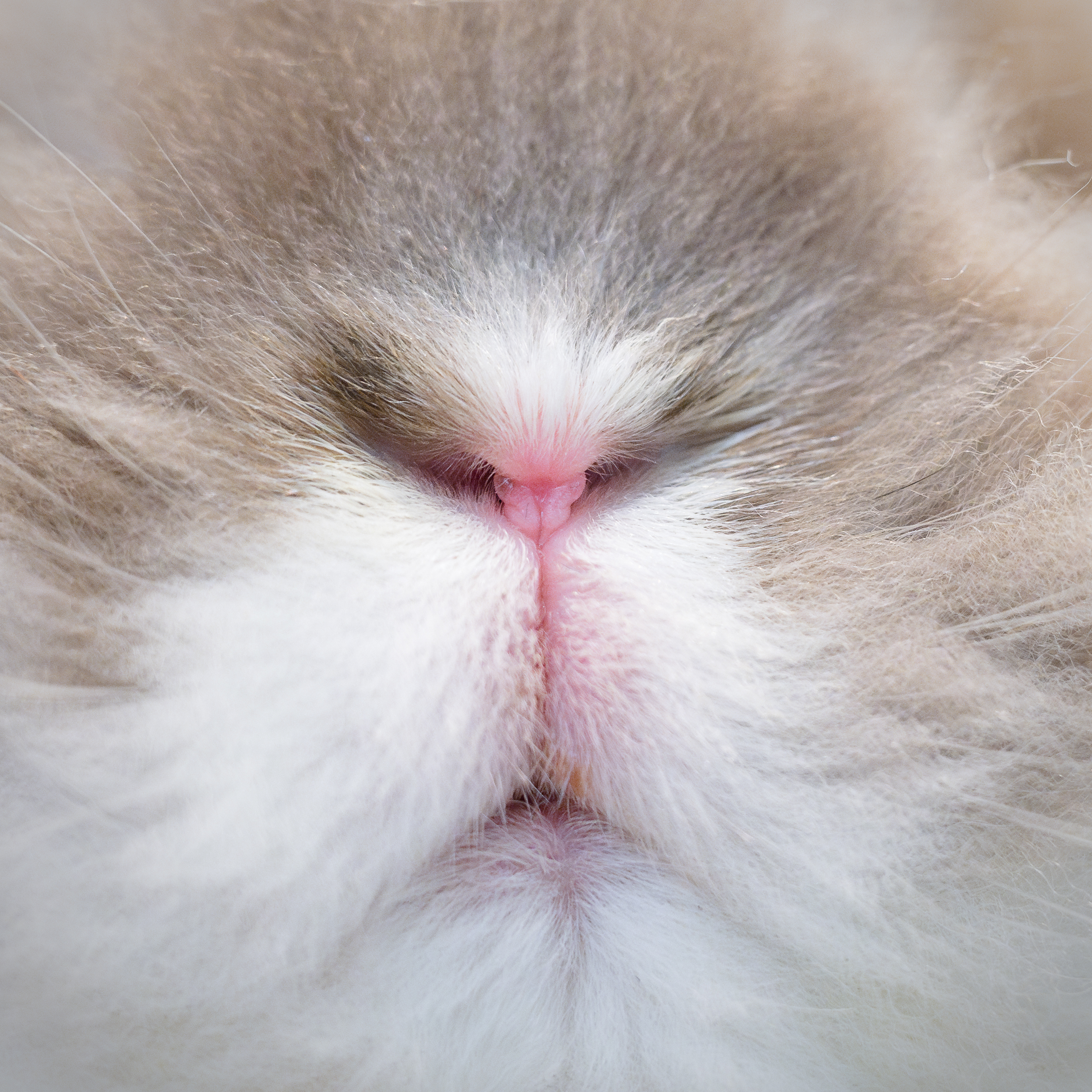
Waisrabbit – Blink Rabbit. Creative Commons Attribution-NonCommercial-ShareAlike 3.0 License.